
Fast Enough to Slow Down
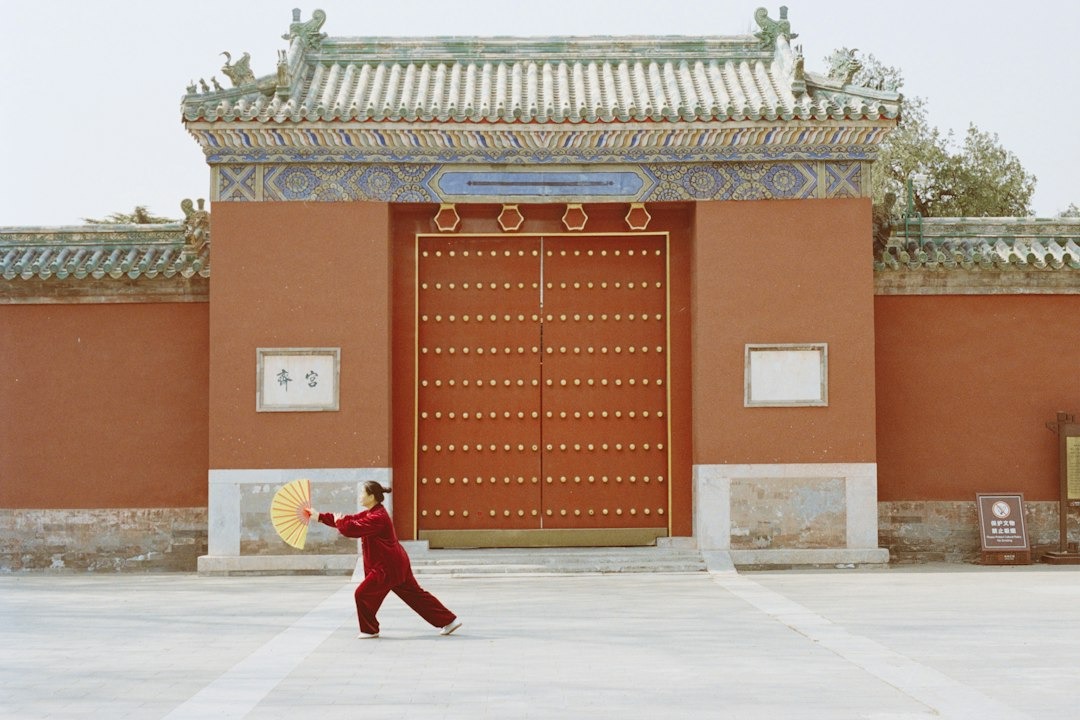
Yesterday, I attended my first Tai Chi class, and I walked away with something more valuable than I expected. It is a reminder of how important it is to slow down and find balance in life.
We live in a world that moves incredibly fast and society rewards fast.
We are expected to respond quickly, work quickly, communicate quickly, and constantly move from one thing to the next. Being busy has become so normal that sometimes we even feel uncomfortable when we aren’t doing anything.
My first Tai Chi experience felt completely different.
Every movement was slow, gentle, and intentional. There was no rush and no pressure to perform. The focus was simply on movement, breathing, and balance.
As I slowly coordinated my body and movements, I noticed myself becoming more present.
There is a deeper connection between the mind, body, soul, energy, and matter that we may not fully understand yet. The human body, brain, and nervous system are incredibly complex and remarkable.
But what really stood out to me was something much simpler.
I started enjoying the moment.
I became more aware of my breathing, my body, my physical balance, and my inner balance, as well as the people around me and even the simple movements I was making. I wasn’t thinking about my next task or checking what was happening somewhere else.
For a while, I was simply there.
It made me wonder how much of life we miss because we are always thinking about what comes next.
As Anna Lembke, author of Dopamine Nation, explains, we live in a world with unprecedented access to highly stimulating, rewarding experiences. Dopamine plays an important role in motivation and reward, naturally drawing our attention toward things that are new, interesting, and exciting.
And modern life gives us plenty of those things.
Our phones, social media, entertainment, advertisements, and even our work constantly give us something new to look at, respond to, or think about.
A notification.
A message.
A video.
A like.
A purchase.
Another experience.
There is always something competing for our attention, while companies work relentlessly to turn us into lifelong consumers.
Our brains can become fried from these constant dopamine hits, making us crave the next new and stimulating thing.
Over time, we can become so used to stimulation that simple things start to feel boring. Sitting quietly can feel uncomfortable. Waiting can feel like wasted time. Even doing one thing without checking our phones can become difficult.
Tai Chi gave me the opposite experience.
Nothing was competing for my attention. There was nothing I needed to check. I just had to move, breathe, and stay balanced.
And somehow, that was enough.
It also made me think about the older people in the class.
I noticed several retired people who seemed genuinely happy just being there, moving their bodies, talking with each other, learning something new, and enjoying the experience.
It also made me think about what really matters as we get older.
When our careers slow down and some of the things we spent our younger years chasing become less important, perhaps our priorities become clearer.
Health matters. Flexibility matters. Mobility matters.
Relationships matter. Friendship matters. Peace of mind matters.
Being able to enjoy a simple evening matters.
Our ancestors lived with far fewer possessions, conveniences, and sources of entertainment than we have today. Life was certainly harder in many ways, but happiness could still be found in family, community, nature, meaningful work, and simple experiences.
Maybe having less sometimes made it easier to appreciate what they already had.
I don’t think the answer is to reject modern life.
Technology and progress have made our lives better in countless ways. I am optimistic about progress, and I believe we should continue moving forward.
But progress without balance can create its own problems.
The real question is what we do with the time and convenience that progress gives us.
If technology saves us an hour, do we simply fill that hour with more work?
If something becomes faster, do we immediately look for something else to make faster?
Or do we use some of that extra time to actually enjoy our lives?
Maybe becoming more efficient isn’t about filling every minute.
Maybe it’s about creating more space for the things that matter.
Work efficiently, so you have time to think.
Use technology, so you have more time to live.
Use convenience to create space, not simply more consumption.
Be ambitious, but don’t forget to enjoy the life you are building.
This also made me think about entropy.
In thermodynamics, entropy describes the tendency of systems toward greater disorder. Without energy and effort, things naturally move toward chaos.
Our attention can feel the same way.
Distraction happens easily. Being present takes effort.
If we don’t consciously decide where our attention goes, something else will always be ready to take it.
Maybe that’s one of the challenges of living in our time.
We have become very good at making everything faster. But we haven’t necessarily become better at enjoying the time that speed creates.
Maybe we don’t need to fight the fast world.
Maybe we just need to learn how to move through it without letting it control our pace.
Move quickly when you need to.
Slow down when you don’t.
Work hard, but make time to rest.
Use technology, but don’t let it consume your attention.
Keep progressing, but don’t lose the ability to enjoy simple things.
Perhaps the goal isn’t to become slower.
It’s to become conscious enough to choose our speed.
Yesterday’s Tai Chi class reminded me that slowing down doesn’t mean falling behind.
Sometimes it means paying attention.
Sometimes it means noticing the people around you.
Sometimes it means feeling your own breath.
And sometimes, when we slow down enough, we realize that the things we were constantly chasing weren’t what we really needed.
They were already there.
We just weren’t moving slowly enough to notice.
Blog
-
Dance of Masculine and Feminine Energy in Relationships
One of the most beautiful symbols in Hindu philosophy is Ardhanarishvara: half Shiva and half…
-
Tunnel Vison..
One thing I have been thinking about lately, and have also noticed in conversations with…
-
Philosophy of Linguistics
Language, Thought, Communication, and Truth Recently, I attended a philosophy group where we discussed the…

Leave a Reply